5 min read · Welding & Fabrication
"Certified welding" gets used loosely. For some contractors, it means a welder went to a training class. In mechanical and structural work, certified welding has a specific meaning: a welder who has passed a qualification test to a recognized standard, producing documented results that can be inspected and traced. Here is what that actually means for your project.
What Welder Certification Actually Means
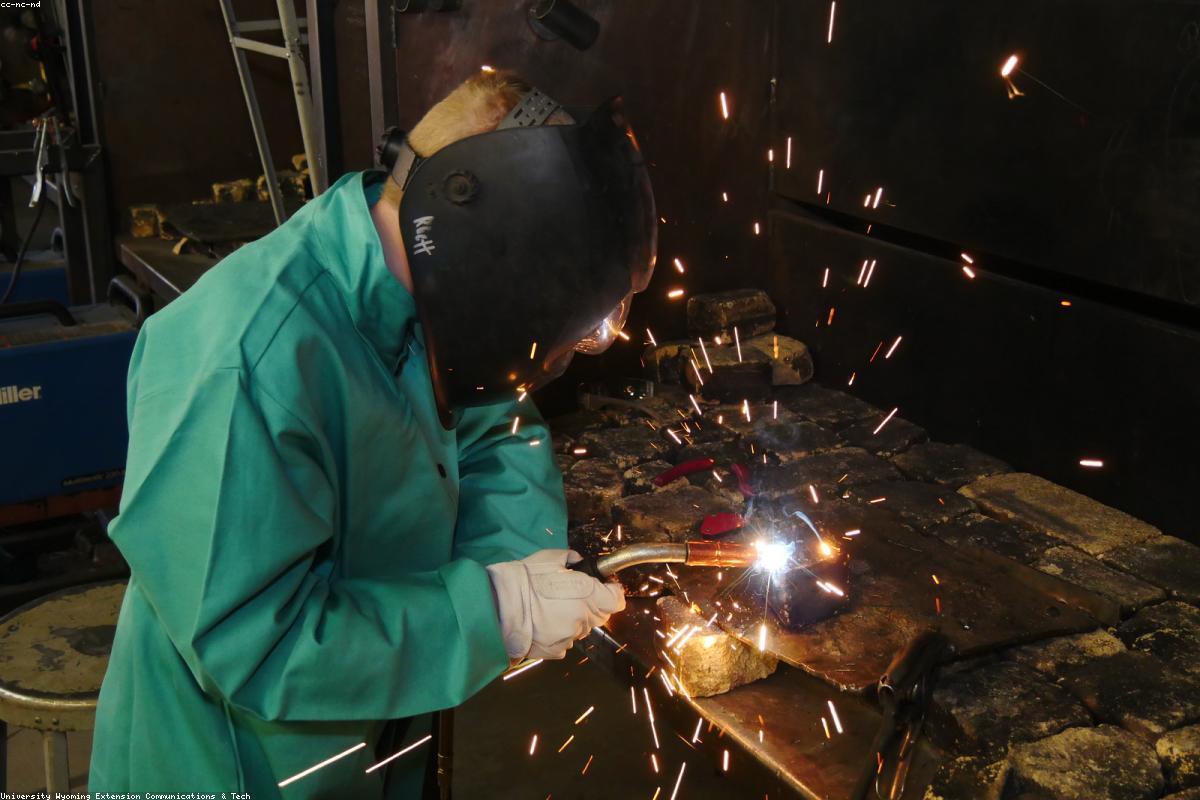
A certified welder has passed a standardized qualification test — typically to AWS (American Welding Society) or ASME standards — producing a test coupon that is inspected visually and, depending on the process and application, by destructive or radiographic testing. Certification is process-specific and position-specific. A welder certified for one process and position is not automatically qualified for all welding. For code-critical work, the documentation of the qualification — the welder's certification record — is part of the deliverable.
When Certified Welding Is Required
Structural steel connections, equipment support steel and rooftop dunnage, code-required mechanical attachments, and many public-project specifications explicitly require certified welders with documentation. In Massachusetts, structural steel welding falls under building-code special inspections (IBC Chapter 17), and many commercial and industrial projects require certified welding per the project specifications or applicable code. Even when not strictly required, certified welding on structural or safety-critical connections is the defensible choice — one that matters when the inspector arrives and when the building owner's insurer asks questions.
The OSHA 30 Connection
Norkum's team is OSHA 30 certified. OSHA 30 is a thirty-hour hazard-recognition and safety training credential administered through the OSHA Outreach program. It is not a welding certification — it covers general industry and construction safety, including fall protection, lockout/tagout, and electrical safety. On job sites where both work near each other, OSHA 30 means our crew recognizes hazards that can hurt workers and delay your project.
What to Ask a Welding Contractor
Before you hire: ask which welding processes are certified (MIG, TIG, stick), what positions, and to what standard (for example, AWS D1.1 for structural steel). Ask for documentation — a qualified contractor will have it, including the welder's performance qualification and the welding procedure specification. Ask whether the welds on your project will be inspected, and by whom — a Certified Welding Inspector (CWI) signs off on code-required structural welds. Ask about the contractor's experience with the specific application: structural, mechanical, sheet metal, and specialty fabrication are all different disciplines. A legitimate certified welding operation answers these questions without hesitation.
Norkum's Welding Capability
We handle certified structural and mechanical welding for commercial and industrial projects across the North Shore and Greater Boston. We're licensed and insured in Massachusetts. On-site or in-shop — we bring the documentation the job requires. If your project has specific certification requirements in the spec, share them with us when you reach out.
Frequently asked questions
Are Norkum's welders certified?
Yes — certified welding is a core part of our work. Our team holds the welding qualifications required for structural and mechanical work on commercial and industrial projects. Contact us with your project spec and we'll confirm the applicable qualifications.
Do you provide documentation of welder certifications?
Yes. For code-critical or specification-required work, we provide the documentation the project requires. Ask when you reach out with your scope.
What is OSHA 30 certification?
OSHA 30 is a thirty-hour construction and industry safety training credential. It covers hazard recognition, fall protection, lockout/tagout, electrical safety, and other job-site safety topics. Norkum's team is OSHA 30 certified.
Can you weld on-site, or only in the shop?
Both. We handle on-site certified welding and in-shop fabrication. Many projects use both: shop-fabricated assemblies and support steel that are then welded and fitted on-site.