4 min read · HVAC Maintenance
A rooftop unit that limps through fall will fail in January. The service technicians who could fix it quickly are already handling emergencies across the North Shore, and lead times on parts stretch in winter. Catch these five warning signs now and you stay ahead of the season.
Warning Sign 1: Unusual Noise During Operation
Squealing, banging, or rattling during operation is not normal. Squealing usually points to a worn belt or bearing — both are inexpensive to fix when caught early and expensive (and disruptive) when they fail completely. Banging can indicate a loose or damaged fan blade. Rattling often means a panel is loose or a component has shifted. Don't ignore noises that weren't there last season.
Warning Sign 2: Uneven Heating or Cooling Across the Building
If some zones are comfortable and others are not, the problem is usually a controls issue, a damper that's stuck or misadjusted, or a capacity problem with the unit itself. These issues are easiest to diagnose and fix before the heating season starts in earnest. Once tenants are complaining in February, you are managing complaints while trying to get service — a harder problem than a fall tune-up.
Warning Sign 3: Higher-Than-Usual Energy Bills
A meaningful jump in energy consumption — compared to the same period last year, adjusted for occupancy — usually means the system is working harder than it should. Dirty coils, low refrigerant charge, worn compressor components, or controls running the unit inefficiently can all drive up consumption. An inefficient unit is also a unit under extra stress, which shortens its remaining useful life.
Warning Sign 4: Visible Corrosion, Water Staining, or Cabinet Damage
North Shore properties deal with salt air that accelerates corrosion on coil fins, cabinet panels, and refrigerant lines. Water staining on the unit or around the curb can mean a drain pan that's not draining, a coil leak, or flashing that's failed. Any of these can cause control-board damage from moisture — a failure mode that is slow to source parts for and expensive to fix mid-winter. Catch cabinet and flashing issues in fall when you can manage them on your schedule.
Warning Sign 5: The Unit Is Past Its Expected Service Life
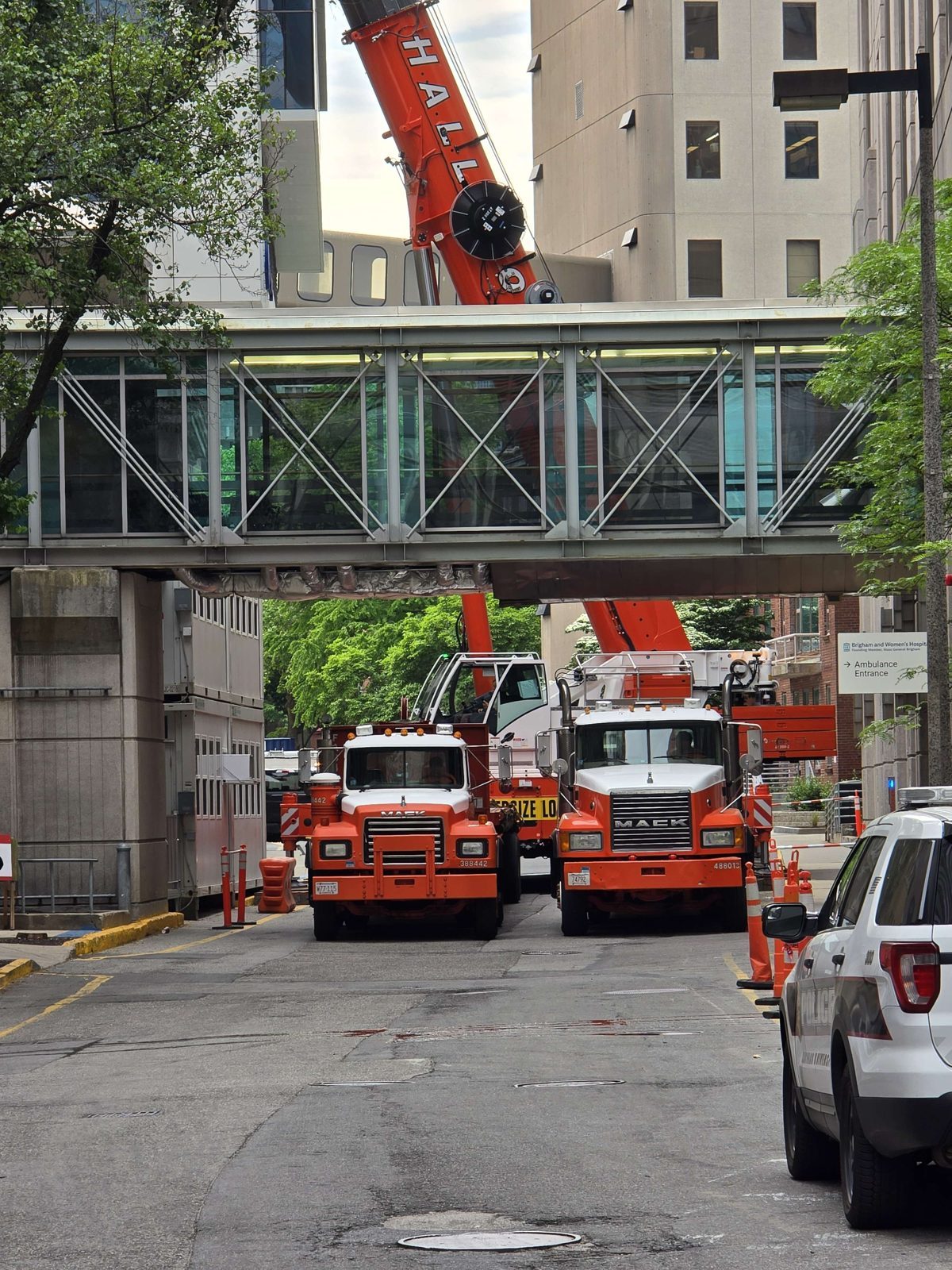
Commercial rooftop units have a finite useful life. A unit that is well past its expected service life is statistically more likely to fail than one that is not. If your unit is old, document its condition during your fall startup, get a professional assessment of its remaining life, and budget for replacement. An emergency replacement in January — with crane time, winter conditions, and expedited equipment sourcing — costs significantly more than a planned replacement scheduled in the shoulder season.
What to Do Now
A fall RTU inspection covers all five of these warning signs. Norkum handles rooftop unit service, repair, and replacement across the North Shore and Greater Boston. We're licensed and insured in Massachusetts, based in Saugus, MA. If your unit is showing any of these signs, contact us before the heating season starts.
Frequently asked questions
How often should commercial rooftop units be inspected?
At a minimum, twice a year — spring and fall — to catch problems before the peak cooling and heating seasons. Coastal North Shore properties should inspect more frequently due to salt-air corrosion.
What does a commercial RTU inspection include?
Coil inspection and cleaning, refrigerant charge check, belt and bearing inspection, controls and thermostat verification, drain pan and condensate check, cabinet and flashing inspection, and documentation of unit condition. We note any issues and give you a clear picture of the unit's current state.
How do I know if my RTU needs replacement versus repair?
Age, repair history, efficiency, and current condition all factor in. We'll give you an honest assessment — not a sales pitch. Sometimes repair is the right answer; sometimes replacement makes more sense economically. We'll explain the reasoning.